Buzzing Bucharest

DAY 1

Bucharest city tour

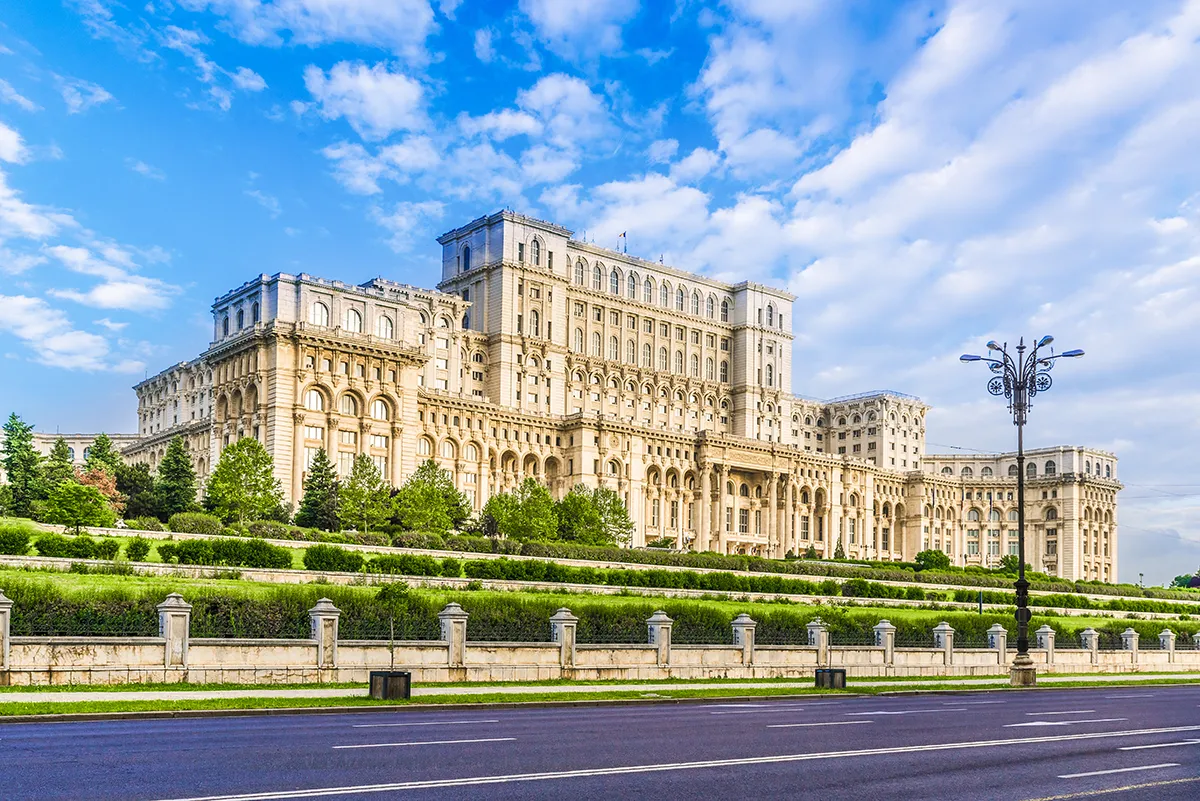
Start the day with a visit at the heaviest building in the world, The Palace of Parliament.


Known for its wide, tree-lined boulevards, glorious Belle Époque buildings and a reputation for the high life (which in the 1900s earned its nickname of “Little Paris”), Bucharest, Romania’s largest city and capital, is today a bustling metropolis.

Legend has it that the city of Bucharest was founded on the banks of the Dambovita River, by a shepherd named Bucur, whose name literarily means “joy.” His flute playing reportedly dazzled the people and his hearty wine from nearby vineyards endeared him to the local traders, who gave his name to the place.

In a panoramic tour we present some of its landmarks: The Romanian Athenaeum, Central Army House, The National Theatre, The Revolution Square, Victoriei Boulevard with Victoriei Square, Victoria Palace (The Government), The Arch of Triumph, House of Press, Unirii Square.


Visit to the Parliament Palace – Due to its immense physical, psychic and historic stature, is perhaps the most controversial building in Romania, an extravagant and expensive building project. Claiming superlative as the world’s second-largest building by surface area (after the spacious US Pentagon), the palace boasts 12 stories, 1,100 rooms, a 328-ft-long lobby and 8 underground levels, including an enormous nuclear bunker. The interior is a luxurious display of crystal chandeliers, mosaics, oak paneling, marble, gold leaf, stained-glass windows and floors covered in rich carpets. Nowadays it hosts the Romanian Parliament, a conference center and a museum.

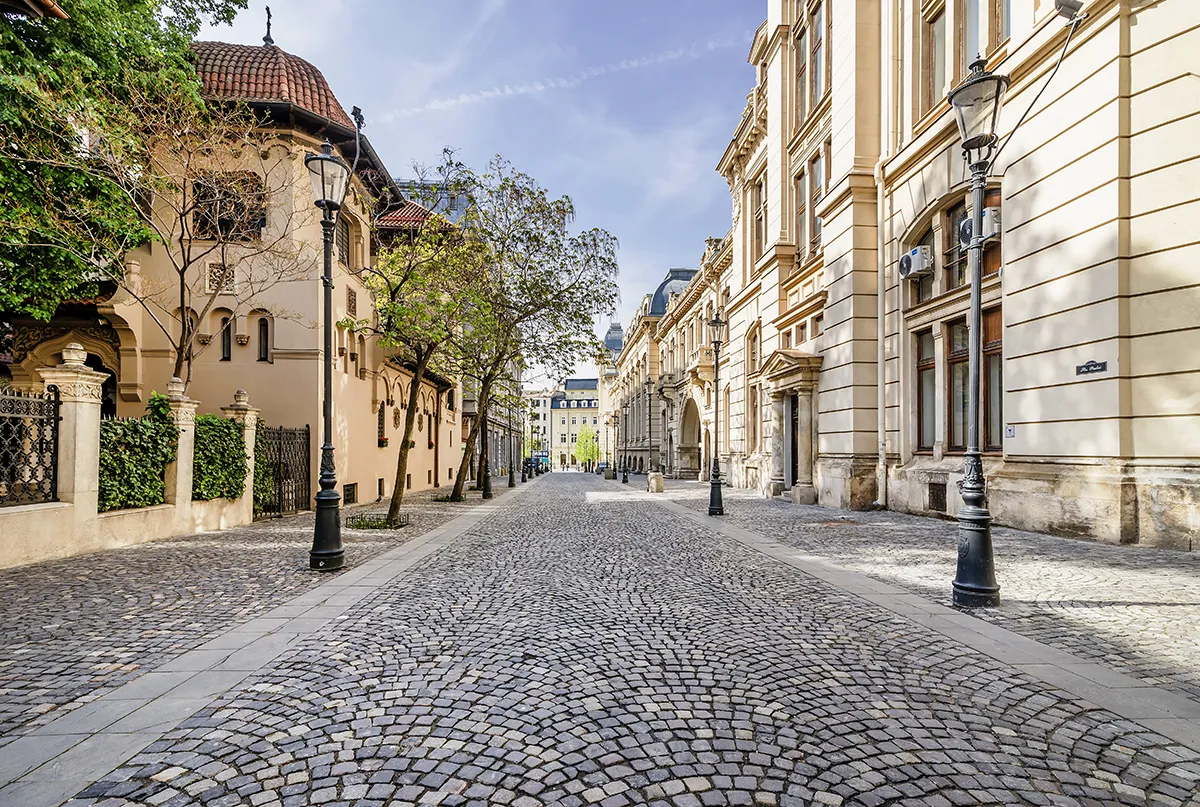
Continue with a short walk in the pedestrian area from the Old City Center also known as Lipscani area, a lively part of the city which used to be a trade center between 15th -18th centuries. Today impresses with a mix of houses in Renaissance, Baroque, Neo Classic architecture that hosts a variety of pubs, restaurants and boutiques.


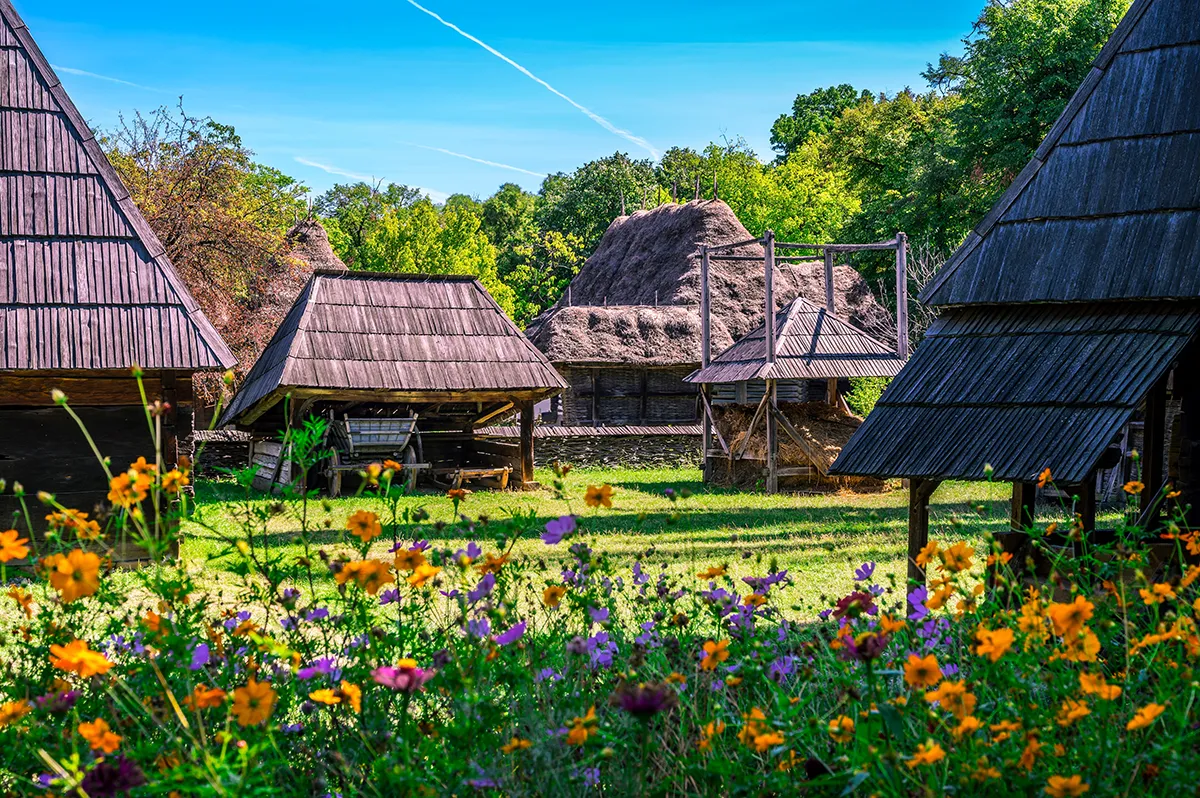
Village Museum – one of the world’s most interesting ethnographical parks in open air. Founded by royal decree in 1936, this fascinating outdoor museum, the largest in Europe, covers some 30 acres on the shores of Lake Herastrau in Herestrau Park. It features a collection of 50 buildings representing the history and design of Romania’s rural architecture. Steep-roofed peasant homes, thatched barns, log cabins, churches and watermills from all regions of the country were carefully taken apart, shipped to the museum and rebuilt to recreate the village setting.

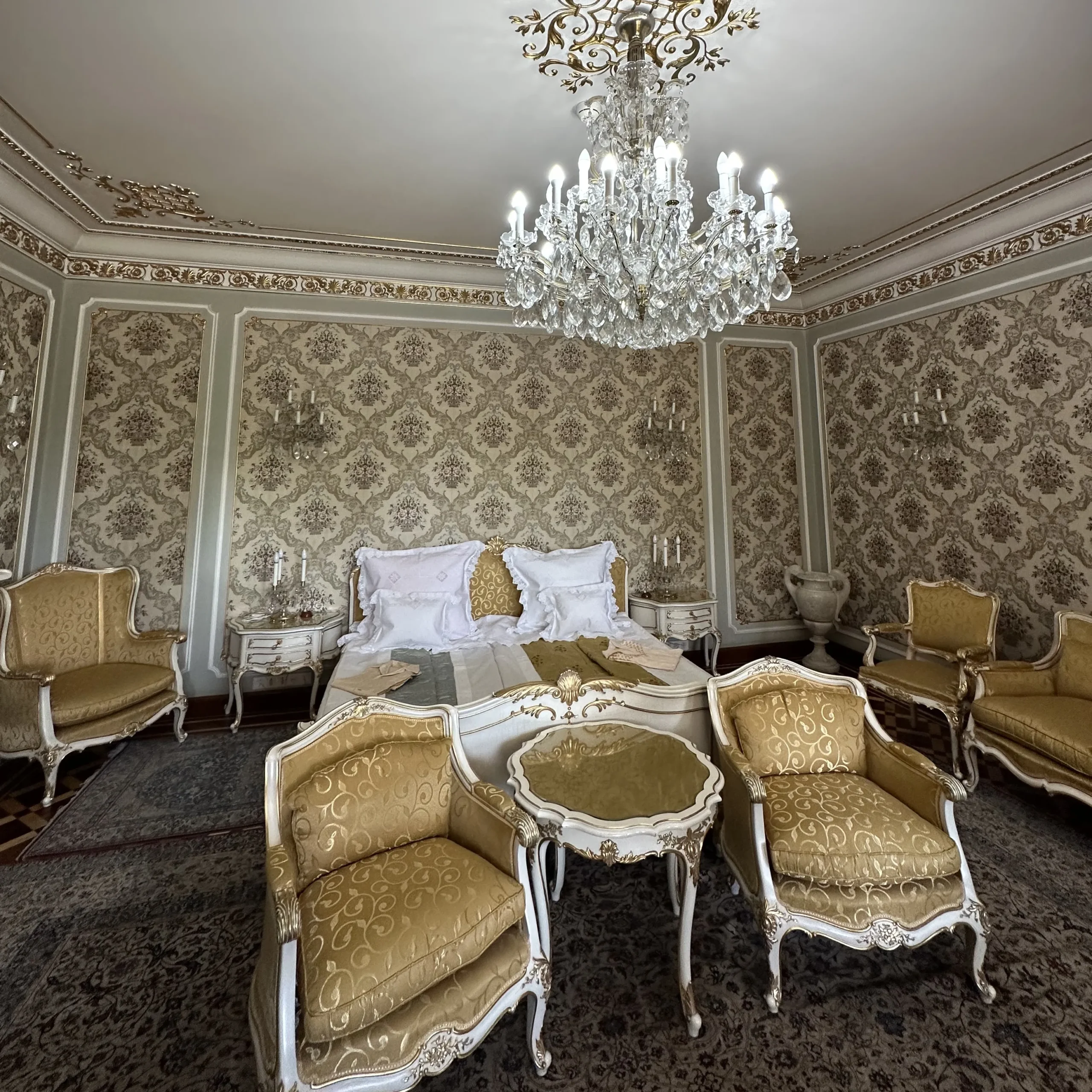
The “Ceauşescu Mansion” was for a quarter of a century (1965-1989) the private residence of Nicolae and Elena Ceauşescu and of their children, Nicu, Zoia, and Valentin.

Built in the mid-1960s and known at the time as the “Spring Palace”, the mansion was enlarged between 1970 and 1972. The preferred choice for the design of the Ceauşescu family’s residence was Aron Grimberg-Solari (born 1928).


Dinner and overnight at hotel in Bucharest.

DAY 2

Bucharest city tour

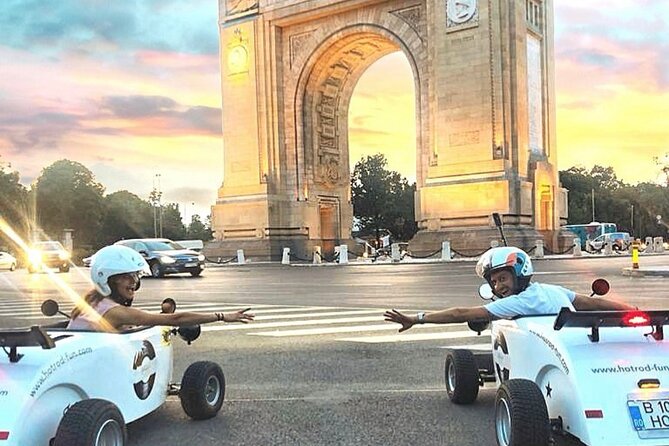
The Arch of Triumph (Arcul de Triumf). – Situated in the northern part of the city, close to Herăstrău Park. The current arch was inaugurated in 1936, but on the same site other arches stood starting with 1878.


Village Museum – one of the world’s most interesting ethnographical parks in open air. Founded by royal decree in 1936, this fascinating outdoor museum, the largest in Europe, covers some 30 acres on the shores of Lake Herastrau in Herestrau Park. It features a collection of 50 buildings representing the history and design of Romania’s rural architecture. Steep-roofed peasant homes, thatched barns, log cabins, churches and watermills from all regions of the country were carefully taken apart, shipped to the museum and rebuilt in order to recreate the village setting.

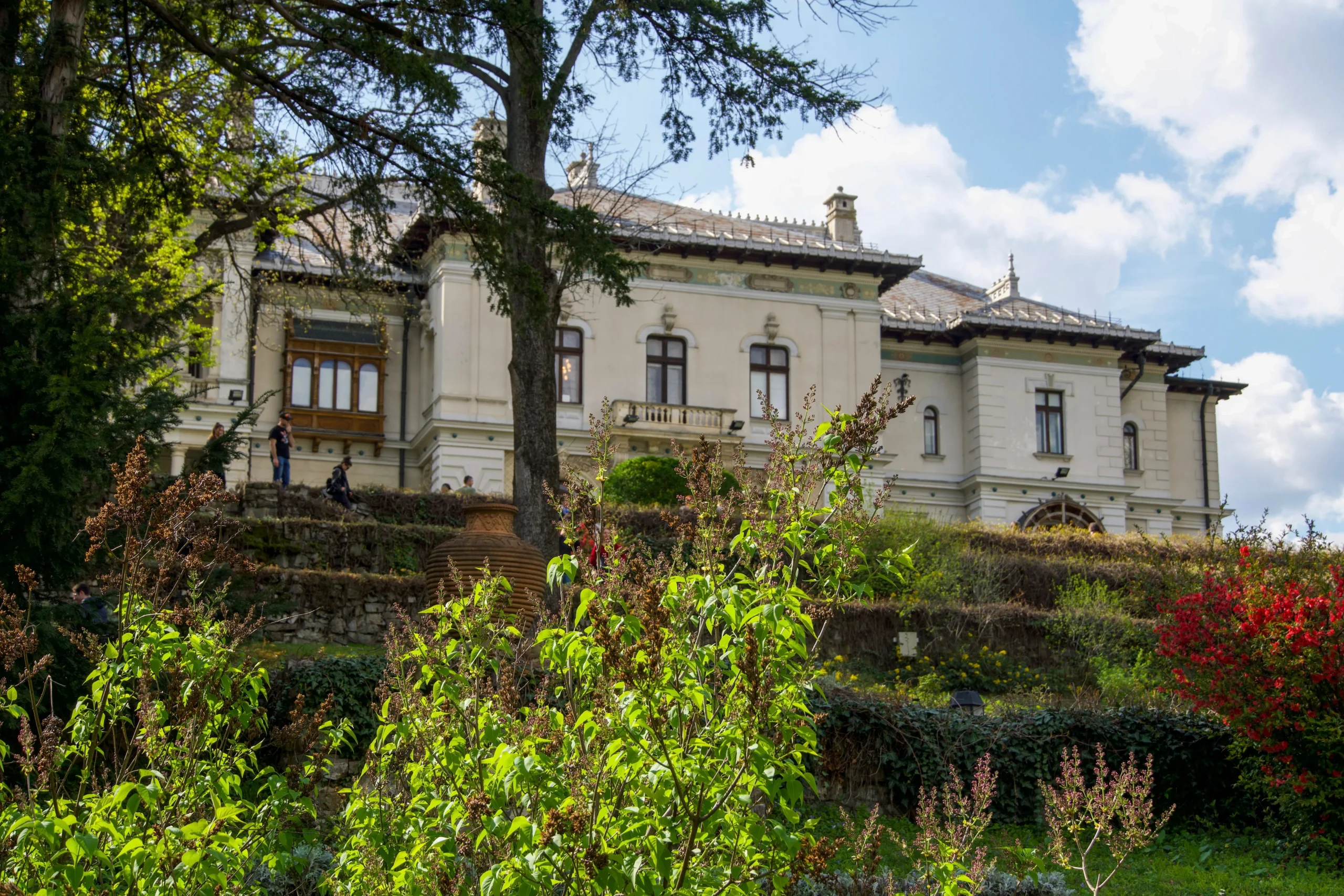
Cotroceni Palace is the official residence of the President of Romania. The palace also houses the National Cotroceni Museum.

The Cotroceni National Museum is the old Royal Palace, built in 1895. In 1991 the palace became the headquarters of the Romanian Presidency and the old wing of the ensemble was opened to the public as Cotroceni National Museum, envisioned as an insight into past ages.

Many of the palace’s function rooms were decorated to the taste of Marie, the English wife of Carol’s heir, his nephew Crown Prince Ferdinand. Her exten sive art collection is also on display

Optional activities

Get in Touch